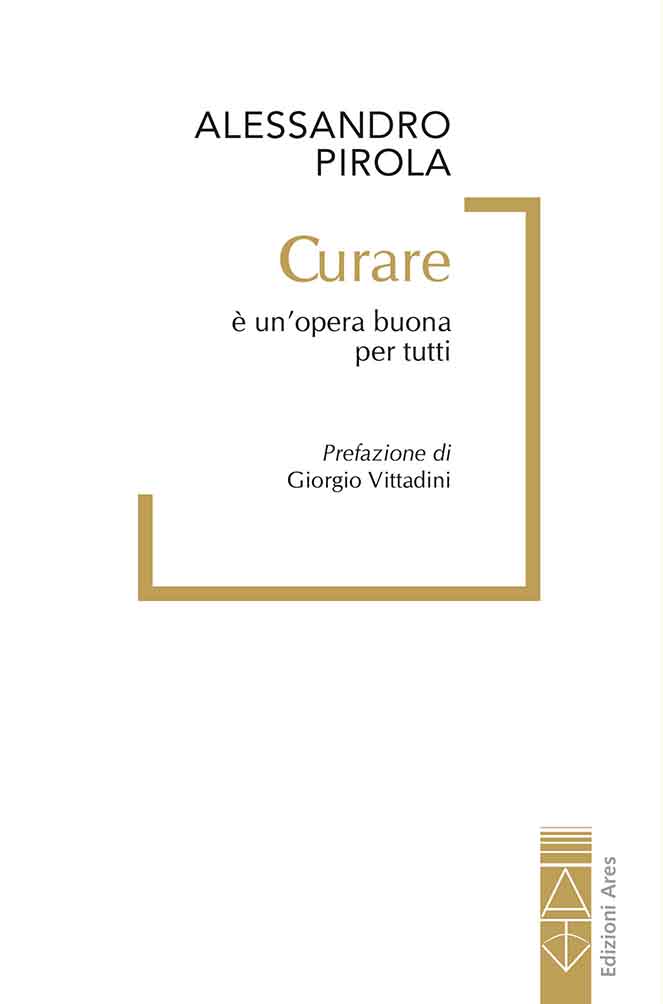
Curare
è un’opera buona per tutti
Prefazione di Giorgio Vittadini.
€14,00
Spese di spedizione per l’Italia: 5,60 €
SPEDIZIONE GRATUITA PER ORDINI SOPRA I 30,00 €
Vedi dettagli e opzioni di spedizione
Disponibile

“La vita di ogni persona è arricchita dalla possibilità di curare qualcuno, se non hai nessuno di cui prenderti cura sei più solo e più triste. Un mondo senza cure è, storicamente e socialmente, un mondo peggiore, più povero, meno umano: è il grande insegnamento della malattia e del dolore che ti costringono a vedere di che pasta sei fatto; tu hai bisogno di cure e curando altri sei più contento anche quando ti costa fatica.”
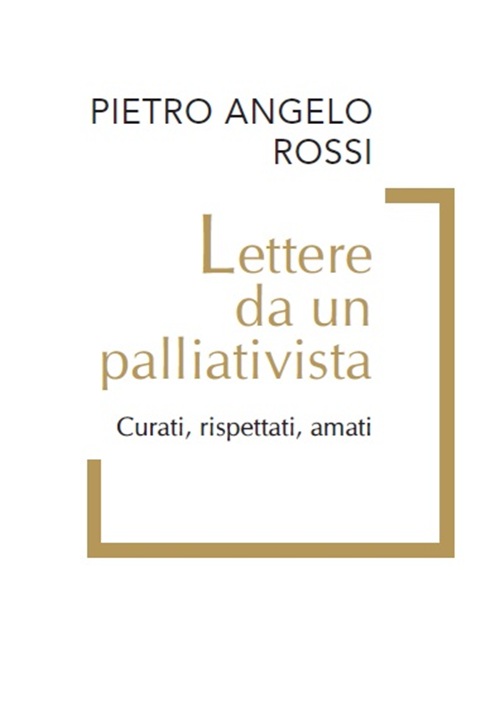
Si parte dal racconto di un’esperienza maturata sul campo, in quarant’anni di lavoro nella direzione di opere di cura e accoglienza. Fatti, circostanze, incontri forieri di un giudizio sulla realtà capace di leggere il senso delle vicende e orientare l’azione. Tutto ciò diventa un invito a riconoscere la centralità della relazione, della compagnia e del senso della vita nella cura, senza ridurre la sofferenza a un mero problema tecnico ma affrontandola come un mistero che interpella la ragione, la fede e la responsabilità personale e sociale.
Questo libro, annota Giorgio Vittadini, «non elude temi scottanti quali l’eutanasia, l’accanimento terapeutico, le cure proporzionate, ma lo fa sempre a partire da situazioni vissute come problemi che nascono nelle relazioni tra paziente, familiari e curanti».
Pirola Alessandro
“Every person’s life is enriched by the opportunity to care for someone; if you have no one to care for, you are lonelier and sadder. A world without care is, historically and socially, a worse, poorer, less humane world: this is the great lesson taught by illness and pain, which force you to see what you are made of; you need care, and by caring for others you are happier, even when it takes effort.”
It begins with an account of experience gained in the field, over forty years of work in the management of care and hospitality services. Facts, circumstances and encounters that foreshadow an understanding of reality capable of discerning the meaning of events and guiding action. All this becomes an invitation to recognise the centrality of relationships, companionship and the meaning of life in care, without reducing suffering to a mere technical problem but addressing it as a mystery that challenges reason, faith and personal and social responsibility.
This book, notes Giorgio Vittadini, ‘does not shy away from sensitive issues such as euthanasia, excessive medical treatment and proportionate care, but always approaches them from the perspective of situations experienced as problems arising from the relationships between patients, family members and carers’.