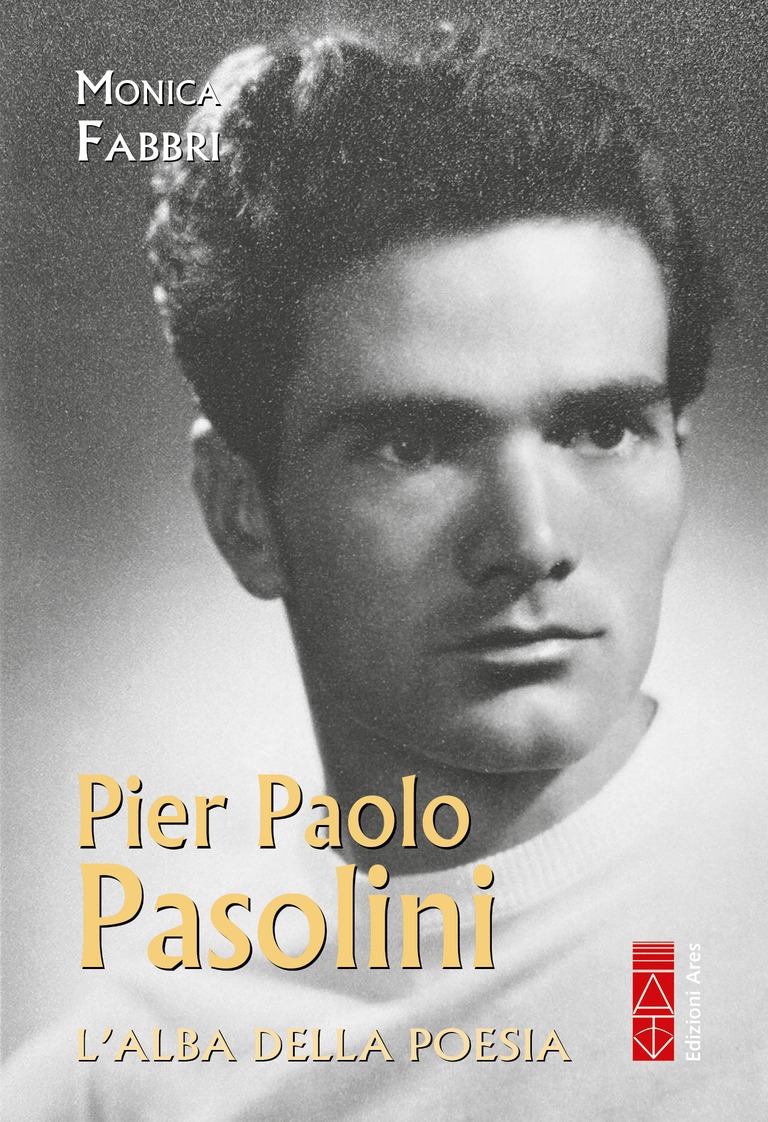
Pier Paolo Pasolini
L’alba della poesia
€14,00
Spese di spedizione per l’Italia: 5,60 €
SPEDIZIONE GRATUITA PER ORDINI SOPRA I 30,00 €
Vedi dettagli e opzioni di spedizione
Disponibile
Pier Paolo Pasolini (1922-1975) è stato una delle grandi figure artistiche e intellettuali del Novecento: poeta, narratore, regista, pittore, ha attraversato linguaggi diversi con una creatività inesauribile. La sua presenza nel dibattito culturale e politico italiano fu altrettanto intensa e spesso scomoda, refrattaria agli schieramenti e alle appartenenze precostituite.
Ma c’è un prima e un dopo in Pasolini? Quanto del poeta corsaro degli ultimi anni era già presente nel giovane che scopriva il mondo attraverso il friulano, la poesia, la pittura? È alla luce genuina della «fontana di rùstic amòur» che Monica Fabbri ritorna, per condurci alle origini di una vocazione e mostrarci il poeta folgorante delle liriche friulane, senza dimenticare il narratore, il saggista e l’autore dei primi film.
Questa prospettiva restituisce nuova luce alla statura dell’artista e dell’uomo, rintracciando nell’alba della sua poesia i tratti di una libertà intellettuale che accompagnerà Pasolini per tutta la vita e che rende difficile ricondurlo a qualsiasi definizione di comodo.
Chi vuole conoscere più a fondo Pier Paolo Pasolini senza pregiudizi troverà in queste pagine non una biografia, ma un viaggio di conoscenza e di avvicinamento.
Fabbri Monica
Pier Paolo Pasolini (1922–1975) was one of the great artistic and intellectual figures of the twentieth century: a poet, novelist, film director and painter, he explored various art forms with inexhaustible creativity. His presence in Italian cultural and political debate was equally intense and often unsettling, resistant to pre-established alignments and affiliations.
But is there a ‘before’ and an ‘after’ in Pasolini’s life? How much of the ‘pirate poet’ of his later years was already present in the young man who was discovering the world through the Friulian language, poetry and painting? It is to the genuine light of the ‘fontana di rùstic amòur’ that Monica Fabbri returns, to lead us to the origins of a vocation and show us the dazzling poet of Friulian verse, without forgetting the novelist, the essayist and the director of his early films.
This perspective sheds new light on the stature of the artist and the man, tracing in the dawn of his poetry the traits of an intellectual freedom that would accompany Pasolini throughout his life and which makes it difficult to pigeonhole him into any convenient definition.
Anyone wishing to gain a deeper understanding of Pier Paolo Pasolini without prejudice will find in these pages not a biography, but a journey of discovery and understanding.